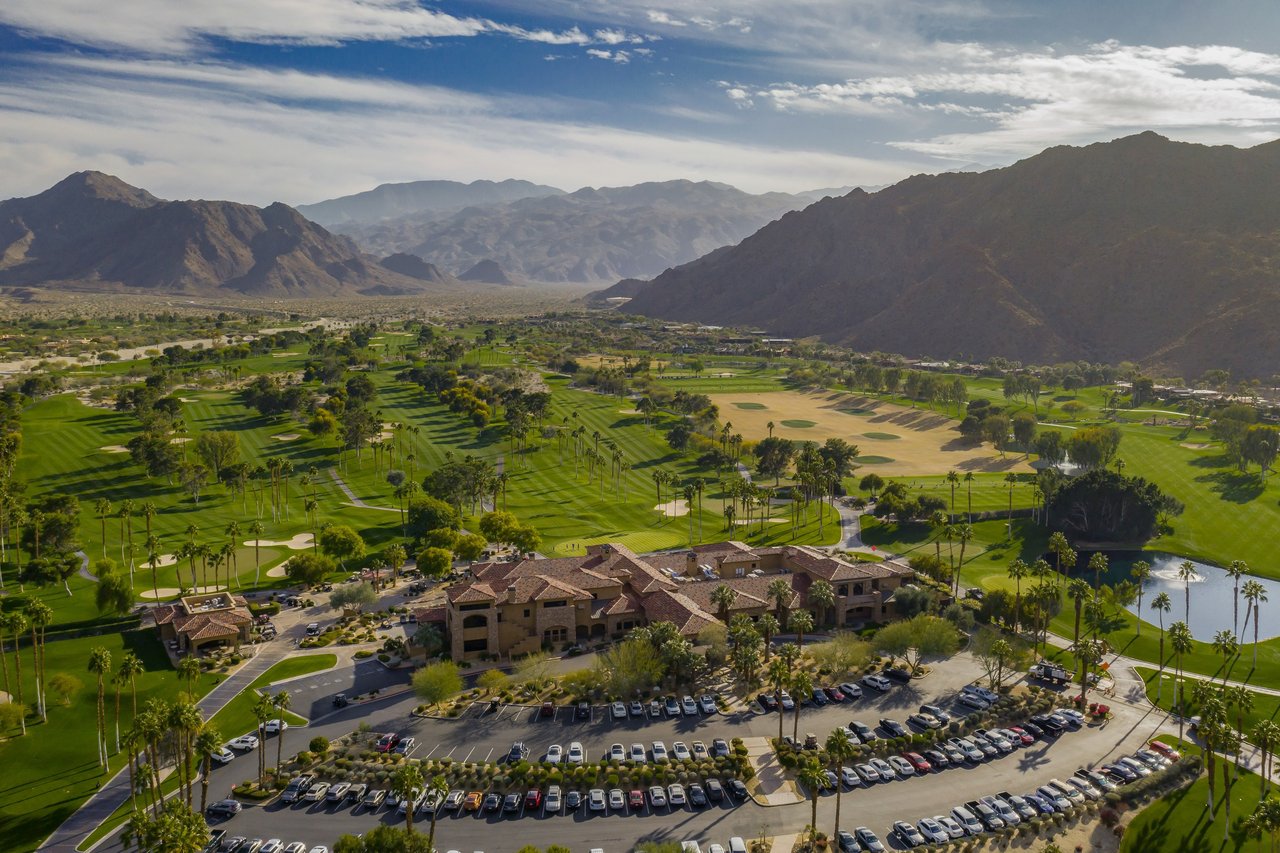
The snowbird season has officially closed its books. And every year, right about now, I hear from buyers who spent the winter watching desert real estate from afar — eyeing listings, attending open houses at Indian Ridge or PGA West, flying in for a long weekend — and who are finally ready to pull the trigger before the fall rush returns.
That timing makes sense. The current market conditions actually favor buyers in most price ranges right now — for the full data picture, see my Memorial Day 2026 market update. What I want to cover here is the part buyers typically underestimate: the preparation that turns a good house-hunting trip into a confident purchase — specifically when you're buying a second home in the desert.
Second homes come with a different set of landmines than primary residences. I've walked buyers through this process hundreds of times. Here's what separates the buyers who close with confidence from the ones who end up second-guessing a purchase for years.
1. Understand How Second-Home Financing Works — Before You Look at Listings
This is the step most buyers skip. They find a home they love on Zillow, then discover their financing timeline doesn't match their emotional timeline.
Second-home mortgages carry different terms than primary residence loans. Lenders typically require 10–20% down on a vacation or second home (vs. as little as 3–5% on a primary). Interest rates on second-home loans run roughly 0.5–1% higher than the comparable primary residence rate. And you'll need to demonstrate that you can comfortably carry both mortgages — the underwriting is stricter.
The 30-year fixed rate currently sits at approximately 6.5% (Freddie Mac, May 25, 2026). On a $1.2M home with 20% down, your monthly principal-and-interest payment is approximately $6,000. Know your number before you board the plane.
The action step: Get a full underwriting pre-approval — not just pre-qualification — from a lender familiar with desert second-home transactions. Ask specifically about occupancy requirements: you generally must use the property personally for at least 14 days per year to avoid the loan being reclassified as an investment property, which carries higher rates and a larger down payment requirement.
[Norman: insert specific observation — a common surprise buyers encounter when they first see the financing terms on a second-home purchase in this price range]
2. Request the HOA Documents Before You Fall in Love with the Home
In the Coachella Valley, the HOA is as important as the house itself. This is especially true in golf communities.
Two variables dramatically affect your true cost of ownership:
Mandatory vs. optional club membership. Some communities require all residents to join the club as part of ownership — Toscana Country Club and The Hideaway are examples. Others, like certain sections of PGA West, have optional membership. The difference can be $25,000–$70,000 in initiation fees and $800–$2,000+ per month in dues. That's real money in your budget before you swing a club.
Reserve fund health. California law requires HOAs to maintain a reserve study — a financial assessment of whether the community is adequately funded for future repairs. An underfunded HOA often means a special assessment is coming, or deferred maintenance is building up. Ask for the reserve study before you close.
Standard practice is to request HOA documents — CC&Rs, bylaws, current budget, reserve study, and the last 12 months of board meeting minutes — during your inspection contingency period. The minutes in particular can reveal pending assessments, ongoing litigation, or disputes that won't show up anywhere else.
3. Visit in the Off-Season — Not Just When the Community Looks Its Best
There's a temptation to judge a golf community by how it looks in February, when the greens are perfect and the clubhouse is buzzing. That's the community at its peak.
If you're going to spend meaningful time here through the summer, visit in June or early July. You'll see what the community actually looks like when 60% of residents are gone. Is the pool maintained? Do the common areas show signs of proper upkeep? Those details matter more than a pristine Presidents Day weekend impression.
[Norman: insert a quick observation from a summer visit to one of the communities you know well — PGA West, Indian Ridge, Rancho La Quinta, wherever you've seen this play out]
4. Know the Rental Restriction Rules
If you plan to offset costs by renting the property — even occasionally — verify the HOA's rental rules before you make an offer. Not after.
Many Coachella Valley golf communities prohibit short-term rentals outright, or restrict them to a minimum 30-day stay. Palm Springs and several other cities have their own short-term rental ordinance requirements including permit fees and occupancy limits. A home that looks ideal as a rental property may legally function only as a personal-use property. That changes your financial model significantly.
Section 5 of most CC&Rs covers rental restrictions. Your agent should flag this before you're emotionally invested in a property.
5. Understand Summer Utility Costs in the Desert
Coachella Valley summer temperatures regularly exceed 110°F. Air conditioning runs continuously June through September — and in a 3,000+ square foot home, that means electric bills of $500–$1,000+ per month in peak months. Most golf communities in the eastern valley are on IID (Imperial Irrigation District) power, which is significantly cheaper than SCE. Ask your agent to request a 12-month utility history from the seller before you close.
6. Build in Time for a Second Visit — Ideally at Different Times of Day
The single most common regret I hear from second-home buyers: “We only saw it once.” Desert homes present very differently depending on the time of day. A home with a west-facing backyard that looks gorgeous at 10 AM is a furnace at 4 PM in July. Afternoon light, road noise, and neighborhood activity at different hours all matter.
If you're serious about a property, schedule two visits — morning and late afternoon — before you write an offer. I know that means two flights from Denver or Seattle. It's worth it.
For a detailed look at how to position your offer once you've done this homework, see my guide to negotiating when buying a Coachella Valley home in 2026.
FAQ: Buying a Second Home in the Coachella Valley
How much down payment do I need for a second home in Palm Desert or La Quinta?
Most lenders require 10–20% down on a second/vacation home, compared to 3–5% for a primary residence. Investment property classification — triggered if you rent for more than 14 days per year without adequate personal occupancy — requires 25–30% down.
What are typical HOA fees in Coachella Valley golf communities?
HOA fees vary widely. Non-golf community HOAs in La Quinta and Palm Desert range from roughly $200–$500/month. Golf community HOAs typically run $700–$2,000+/month. In communities with mandatory club membership, club dues are separate from the HOA fee. Always ask for a full cost breakdown including club initiation before comparing communities.
Can I rent out my Coachella Valley second home on Airbnb?
It depends on the HOA CC&Rs and the city's short-term rental ordinance. Many golf communities prohibit rentals under 30 days. Palm Springs has a licensed short-term rental program with specific permit requirements. La Quinta and Palm Desert have different rules. Your agent should verify current rental rules as a condition of any offer.
What is the best area in the Coachella Valley to buy a second home?
It depends on priorities. La Quinta offers the most golf options per square mile and strong long-term value in the $900K–$2M range. Indian Wells is quieter and more exclusive with higher price points. Palm Desert offers broader lifestyle access. Rancho Mirage is a good middle ground — lower traffic, excellent private clubs, consistent demand from seasonal buyers.
Should I use a local agent when buying in the Coachella Valley?
Strongly recommended. Golf community transactions here involve layers of HOA documentation, club membership negotiation, and micro-market pricing knowledge that national platforms don't capture.
All market data from Coachella Valley Market Watch (March 2026) and Freddie Mac Primary Mortgage Market Survey (May 25, 2026). HOA fees, initiation fees, and rental restrictions are subject to change — verify directly with the HOA or your agent before making purchasing decisions.
Download the Coachella Valley Second-Home Checklist — a one-page reference covering HOA document requests, financing questions, rental rules, and key questions to ask on every showing. Email [email protected] to get your copy.
Written by Norman Williams, Coachella Valley real estate professional with 30 years in the market. Norman specializes in second-home and golf community buyer representation in La Quinta, Indian Wells, Palm Desert, and Rancho Mirage.